Unlock the Secret to Exquisite Homemade Caramel: Richer, Healthier & Simply Superior
Imagine a caramel sauce so deeply rich, so perfectly sweet, and so incredibly smooth that it elevates every dessert, drink, or even a simple spoon. Now imagine creating that masterpiece in your own kitchen, effortlessly, in mere minutes. This isn't a fantasy; it's the reality of making
homemade caramel sauce. Forget the bland, overly sweet, and additive-laden store-bought versions. Once you experience the unparalleled taste and texture of caramel made from scratch, there's truly no turning back.
Many home cooks shy away from making caramel, intimidated by tales of precise temperatures and complicated candy thermometers. But what if we told you that creating a luscious, golden caramel doesn't require culinary school training or specialized gadgets? This article will guide you through the compelling reasons to embrace homemade caramel, demystify its surprisingly simple process, and equip you with the knowledge to craft a sauce that is not only better for you but also 1,000 times more delicious.
Why Homemade Caramel Sauce Reigns Supreme Over Store-Bought
The difference between a store-bought caramel sauce and its homemade counterpart is like night and day. It’s a sensory experience that delivers on taste, texture, and even peace of mind.
Unrivaled Taste and Texture
Commercial caramel sauces often suffer from an artificial sweetness and a thin, watery consistency. They might taste vaguely like caramel, but they lack the profound depth and complexity that comes from properly caramelized sugar.
Homemade caramel sauce, however, offers:
- Deeply Rich Flavor: The process of caramelization creates complex flavor notes – nutty, toasty, buttery – that can't be replicated with artificial flavorings. A pinch of salt perfectly balances this sweetness, enhancing every nuanced flavor.
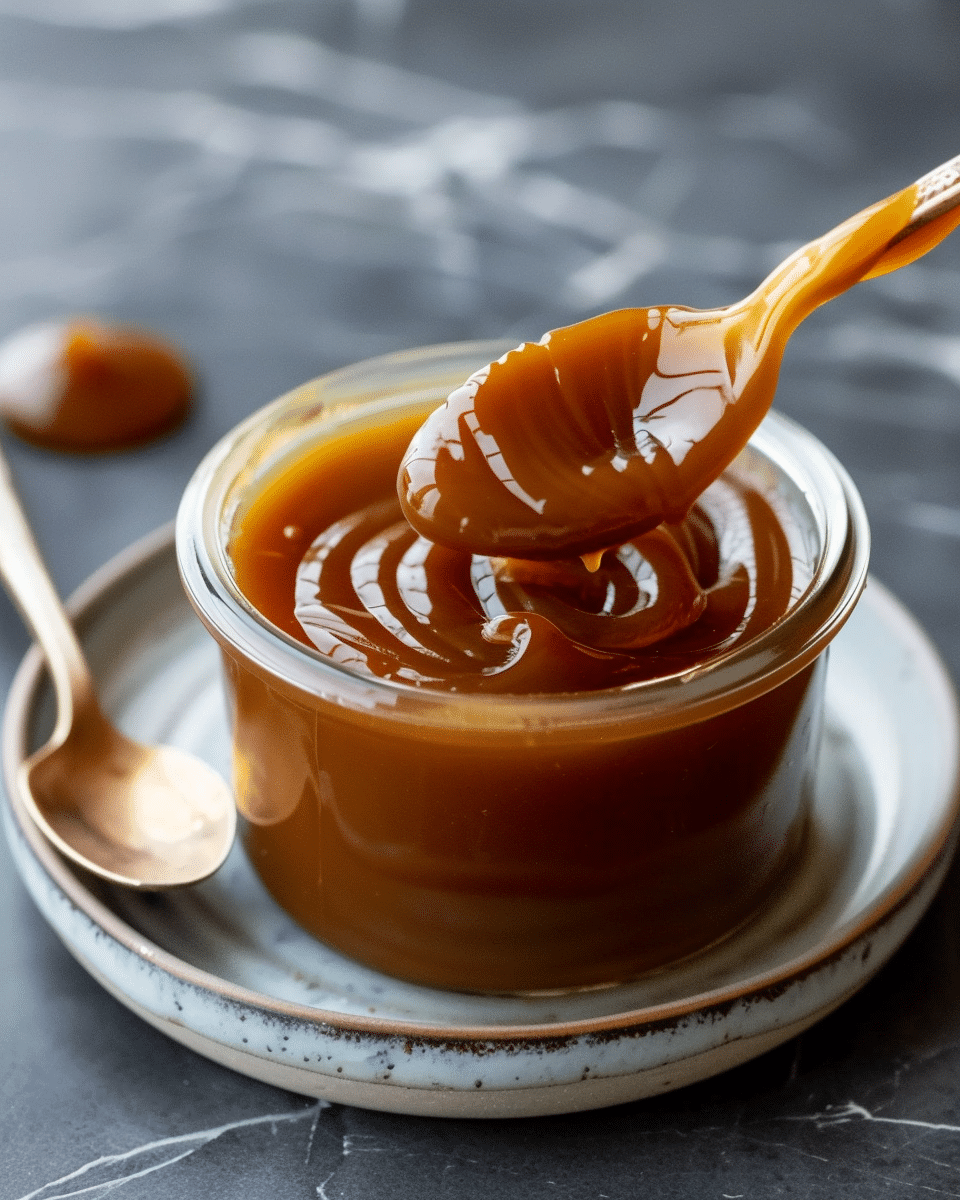
- Silky Smooth Texture: A homemade sauce is engineered to be smooth, luxurious, and just thick enough to cling beautifully to ice cream, apple slices, or your favorite cheesecake without running off. Its glossy sheen is a testament to its quality.
This superior taste and texture are what make
Achieve Silky Caramel Sauce: Easy Recipe in Just 15 Minutes so appealing and a staple for any home baker or dessert enthusiast.
Healthier & More Wholesome Ingredients
One of the most significant advantages of making your own caramel is complete control over the ingredients. Store-bought options often contain a laundry list of preservatives, artificial flavors, high-fructose corn syrup, and unhealthy additives designed to prolong shelf life and cut costs. When you make caramel at home, you're using:
- Simple, Real Ingredients: Typically, just four basic items are needed: granulated sugar, unsalted butter, heavy cream, and a touch of salt. You know exactly what’s going into your sauce.
- No Artificial Additives: Say goodbye to anything you can't pronounce. Your homemade sauce is pure, natural goodness.
- Customizable Sweetness & Saltiness: You can adjust the salt level to create a classic sweet caramel or a more pronounced salted caramel, catering precisely to your preference.
Incredible Versatility
A jar of homemade caramel sauce is a culinary superpower. It's not just for ice cream sundaes!
- Drizzle over pancakes, waffles, or French toast.
- Stir into coffee, hot chocolate, or milkshakes.
- Dip fresh fruit like apples or bananas.
- Top cheesecakes, brownies, or apple crisps.
- Use as a filling for tarts, cakes, or cookies.
- Mix into yogurt or oatmeal for a decadent breakfast.
- Give as a thoughtful, gourmet gift to friends and family.
Demystifying the Process: Easy Homemade Caramel in Minutes
The thought of making caramel from scratch can feel daunting. Images of scorched sugar and failed attempts often deter even confident cooks. However, the truth is, a perfect
homemade caramel sauce can be yours in just about 15 minutes, and here's the best part: no candy thermometer required! This simple, approachable method focuses on observation and basic technique, making it incredibly stress-free. For a step-by-step guide that makes this process incredibly simple, check out our
Easy Homemade Caramel Sauce: 15-Minute, No Thermometer Recipe.
The Essential Ingredients: Quality Over Quantity
Making exceptional caramel doesn't call for exotic ingredients, but choosing the right ones makes all the difference. You'll need just four staples:
- Granulated Sugar: Standard white granulated sugar is ideal for this recipe. It caramelizes beautifully and provides the best consistency. While brown sugar can be tempting, its added moisture and molasses content can make the caramel thicker and darker, often preferred for butterscotch or toffee.
- Unsalted Butter: This is crucial for controlling the overall saltiness of your sauce. Butter adds richness and helps create that luxurious, silky texture. Using unsalted butter allows you to precisely dial in the amount of added salt later, ensuring perfect balance.
- Heavy Cream: Also known as heavy whipping cream, this ingredient is the secret to a smooth, pourable, and incredibly rich sauce. Its high fat content emulsifies with the sugar and butter, preventing crystallization and creating that desirable glossy sheen and silken mouthfeel. Don't substitute with milk or half-and-half; the fat content is essential.
- Salt: A small pinch of salt is transformative. It's not just for "salted caramel" lovers; salt enhances the complex, buttery flavors of the caramel and balances the sweetness, making the sauce taste more sophisticated and less cloying.
The Science Simplified: Dry Method for Control
Caramelization is a fascinating chemical process where sugar molecules break down under heat, forming new compounds that give caramel its distinctive color and flavor. There are two primary methods: "wet" (using water to dissolve sugar) and "dry" (melting sugar directly). While the wet method can prevent initial burning, it carries the risk of sugar crystals forming on the pan's sides, which can ruin a batch.
Most home cooks, myself included, prefer the dry method for its greater control over color and flavor development. While it requires a vigilant eye to prevent burning, it simplifies the process by eliminating the water variable and is less prone to crystallization issues when handled correctly. You simply heat the sugar until it melts and transforms into a gorgeous amber liquid, then carefully incorporate the butter, cream, and salt.
Tips for Caramel Success: Achieving the Perfect Batch Every Time
Even with a simple recipe, a few insider tips can ensure your
homemade caramel sauce turns out flawlessly.
- Mise en Place is Key: "Mise en place" means "everything in its place." Have all your ingredients measured and ready to go before you even turn on the stove. Caramelization happens quickly, and you won't have time to measure cream while the sugar is browning.
- Use a Heavy-Bottomed Pan: A good quality, heavy-bottomed saucepan distributes heat more evenly, reducing the risk of scorching the sugar in one spot. Avoid thin-bottomed pans.
- Start on Medium-Low Heat: When melting the sugar (dry method), begin on medium-low heat. This allows the sugar to melt gradually and evenly. Resist the urge to crank up the heat, as this often leads to burning.
- Watch the Color, Not the Clock: This is where the "no thermometer" magic happens. The color of the caramel is your guide. You're looking for a deep, rich amber – like a copper penny or maple syrup. Too light, and it won't have enough flavor; too dark, and it will taste bitter. Stay attentive; it can go from perfect to burnt in seconds.
- Be Cautious When Adding Cream: When you add the cold heavy cream to the hot caramel, it will bubble up vigorously. This is normal! Slowly pour in the cream while whisking constantly. Stand back slightly to avoid any splashes.
- Whisk Thoroughly: After adding the cream and butter, continue whisking until the sauce is smooth and homogeneous. Any lumps of butter will eventually melt in the residual heat.
- Cool Completely: Caramel thickens significantly as it cools. Don't panic if it seems a little thin right after cooking. Allow it to cool at room temperature before refrigerating.
Beyond the Basics: Customizing Your Caramel Creation
Once you've mastered the basic
homemade caramel sauce, you can begin to experiment with exciting variations:
- Vanilla Bean or Extract: Add a splash of pure vanilla extract or the seeds from half a vanilla bean after the caramel is cooked for an extra layer of aromatic sweetness.
- Flavored Salts: Instead of regular table salt, finish your caramel with a sprinkle of flaky sea salt (like Maldon) for a textural contrast and a burst of salty flavor.
- Spiced Caramel: Infuse your cream with cinnamon sticks, star anise, or cardamom pods before adding it to the sugar for a warm, spiced caramel perfect for autumn desserts. Remove the spices before combining.
- Boozy Caramel: For adult-friendly treats, stir in a tablespoon or two of bourbon, rum, or Grand Marnier after the caramel has cooled slightly.
- Nutty Caramel: A swirl of high-quality nut butter (almond, cashew) can add a wonderful depth and creaminess.
In conclusion, the journey to a richer, healthier, and undeniably better caramel sauce begins and ends in your own kitchen. Dispelling the myth of complexity, this easy-to-master recipe delivers unparalleled flavor and texture that store-bought options simply cannot match. By using just a few simple, wholesome ingredients and following some basic tips, you’ll unlock a world of culinary possibilities, transforming everyday desserts into extraordinary indulgences. So, grab your saucepan, embrace the joy of creation, and prepare to be amazed by the magic of
homemade caramel sauce. Your taste buds will thank you!