Achieve Silky Caramel Sauce: Easy Recipe in Just 15 Minutes
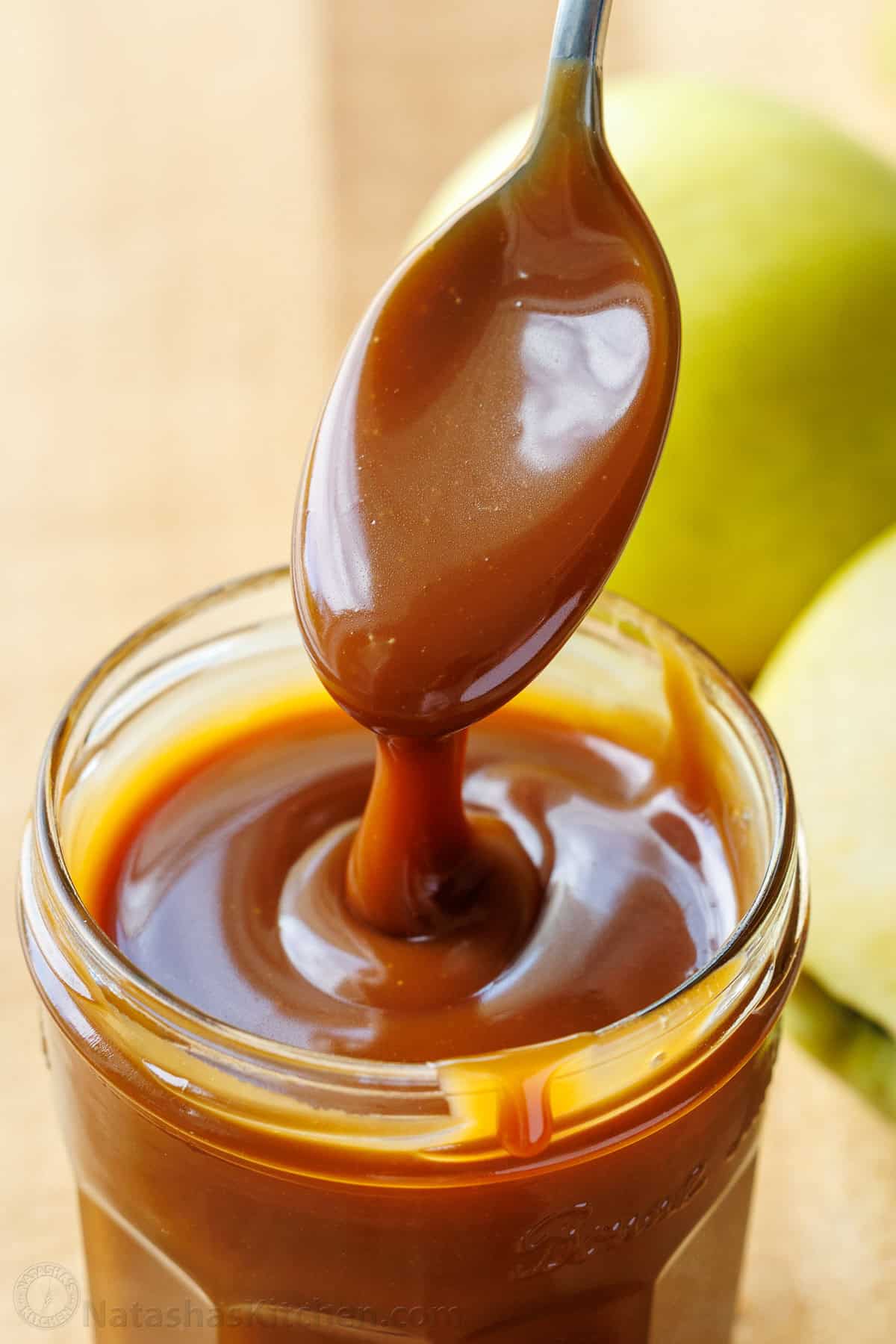
Imagine a cascade of rich, golden caramel, perfectly sweet with a hint of salt, blanketing your favorite dessert. Now, imagine making that luxurious treat yourself, from scratch, in a mere 15 minutes. Sounds like a dream, right? Not anymore! Mastering the art of **homemade caramel sauce** is far simpler than you might think, and the result is a culinary delight that utterly eclipses anything you can buy in a jar. Forget the myth that caramel-making requires a candy thermometer or advanced pastry skills; with this straightforward method, you're just minutes away from a truly unforgettable sauce.
Why Homemade Caramel Sauce Reigns Supreme
There's a reason seasoned chefs and home bakers alike rave about homemade caramel. The difference between a store-bought version and one crafted in your kitchen is night and day.
* **Unparalleled Taste:** Factory-produced caramel often relies on artificial flavors and corn syrup, resulting in a one-dimensional sweetness. Your **homemade caramel sauce**, however, develops a deep, complex flavor profile. The sugar truly caramelizes, creating rich, toasty notes that are balanced by the creamy butter and just the right touch of salt. It’s a sophisticated sweetness that lingers beautifully on the palate.
* **Irresistible Texture:** Say goodbye to thin, watery, or overly sticky sauces. A well-made homemade caramel boasts a smooth, silky texture that's thick enough to cling sensuously to ice cream, apples, or pastries, without being overly gooey or seizing up. Its pourable consistency is pure perfection.
* **Pure Ingredients, Zero Additives:** When you make caramel at home, you control every ingredient. This means no preservatives, no high-fructose corn syrup, and no mysterious chemicals. Just four simple, wholesome ingredients come together to create a superior product. For more insights into the benefits, read our detailed comparison:
Homemade Caramel: Richer, Healthier & Better Than Store-Bought.
* **The Satisfaction Factor:** There's immense joy in creating something so delicious from basic ingredients. The aroma of simmering sugar and butter filling your kitchen is an experience in itself, and the pride of serving your own luscious caramel is truly rewarding.
The Essentials: Unveiling the Simple Ingredients for Perfect Caramel
Achieving that ideal silky, rich **homemade caramel sauce** requires just four fundamental ingredients. Each plays a crucial role in creating the perfect balance of flavor and texture.
*
Granulated Sugar: This is the foundation of your caramel. While some recipes might suggest brown sugar, plain white granulated sugar is preferred here. It melts consistently, allowing you to achieve a clearer, more precise caramelization and a lighter, purer caramel flavor. Brown sugar, with its added molasses and moisture, can make the caramel thicker and darker, and is often better suited for other confections like butterscotch or toffee.
*
Unsalted Butter: Butter brings richness, a creamy mouthfeel, and a hint of dairy sweetness. Opt for unsalted butter as it gives you complete control over the final salt content. Different brands of salted butter can vary wildly in their saltiness, making it harder to achieve a balanced flavor. By adding salt separately, you can perfectly tailor your sauce to be mildly sweet or a truly salted caramel delight.
*
Heavy Cream: This is the magic ingredient for silkiness and pourable texture. Heavy cream (or heavy whipping cream) has a high fat content, which emulsifies beautifully with the caramelized sugar and butter. It prevents the caramel from becoming too hard or brittle, lending it that desirable glossy, smooth finish. A crucial tip for success: gently warm your heavy cream before adding it to the hot sugar mixture. This prevents the caramel from seizing up and ensures a smoother, more gradual integration.
*
Salt: A pinch of salt is not just for creating "salted caramel"; it's a flavor enhancer. Salt cuts through the intense sweetness of the sugar, balancing the overall taste and bringing out the complex, buttery notes of the caramel. It literally makes the caramel taste more "caramel-y." Adjust to your preference – a tiny pinch for balance, or a more generous amount for a true salted caramel experience.
Mastering the Art of Caramelization: Dry Method for Ultimate Control
Caramelization is a fascinating chemical process where sugar molecules break down under heat, rearranging themselves to create new compounds that give caramel its distinct color and flavor. There are two primary methods for making caramel: wet and dry.
*
The Wet Method: This involves adding water to the sugar, which dissolves the sugar and helps it melt more evenly. While it can seem less intimidating initially, the drawback is the potential for sugar crystals to form on the sides of the pan. If these crystals fall back into the molten sugar, they can cause the entire batch to crystallize and become grainy – a disastrous outcome for silky caramel.
*
The Dry Method: Our preferred approach for this recipe involves heating sugar directly in a pan without any added water. While it can take a little longer and requires constant attention, it offers far greater control over the color and flavor development of your caramel. Without water, there's less risk of crystallization, allowing for a consistently smooth result. The key here is to keep a vigilant eye on the sugar as it cooks, as it can transition from perfectly golden to burnt in a matter of seconds.
We champion the dry method for its precision and the stunning depth of flavor it yields. By carefully monitoring the sugar's transformation, you can achieve that perfect amber hue and rich, toasted notes without the stress of a candy thermometer.
Your 15-Minute Path to Silky Caramel Sauce: A Step-by-Step Guide
Ready to transform simple ingredients into liquid gold? This no-thermometer approach makes it incredibly accessible.
1.
Prep Your Station: Gather all your ingredients (sugar, butter, warm heavy cream, salt) and have them measured and ready. Cut your unsalted butter into small cubes so it melts faster. Use a heavy-bottomed, light-colored saucepan, which distributes heat evenly and allows you to clearly see the sugar's color change.
2.
Sugar Meltdown: Pour the granulated sugar into your saucepan. Place it over medium-low heat. At this stage, resist the urge to stir with a spoon. Instead, gently shake or swirl the pan occasionally to help the sugar melt evenly. You’ll start to see the sugar around the edges melt and turn clear, then golden.
3.
Golden Transformation: As the sugar continues to melt, it will begin to clump, then eventually liquify into a clear syrup before turning a beautiful amber. Keep swirling the pan gently and watching closely. You're looking for a deep, rich golden-brown color, similar to an old penny. This process should take about 5-8 minutes. **Do not let it get too dark**, as burnt sugar tastes bitter and is irreparable. If you detect a burnt smell, remove it immediately from heat and consider starting over.
4.
Butter Infusion: Once your sugar reaches the desired amber color, immediately remove the pan from the heat. Carefully add the cubed unsalted butter to the hot sugar. It will bubble up vigorously, and the mixture might seize slightly. Stir gently but continuously with a heat-resistant whisk or wooden spoon until all the butter has fully melted and is incorporated, forming a smooth, golden mixture.
5.
Creamy Finish: Now, slowly and carefully drizzle your *warm* heavy cream into the butter-sugar mixture while whisking constantly. Again, the mixture will bubble up and steam aggressively, so be cautious. Continue whisking until the sauce is completely smooth and uniform. The warmed cream helps prevent the caramel from seizing too much and keeps it beautifully silky.
6.
Salty Balance & Cool Down: Stir in your desired amount of salt. Give it a final whisk to ensure everything is combined. Remove the saucepan from the heat completely and allow the caramel sauce to cool. It will seem quite thin at first, but it will thicken considerably as it cools to room temperature.
For a visually guided walkthrough and additional tips, check out our companion article:
Easy Homemade Caramel Sauce: 15-Minute, No Thermometer Recipe.
Beyond the Saucepan: Expert Tips for Caramel Success and Enjoyment
With your luscious **homemade caramel sauce** now ready, here are a few extra pointers to ensure every batch is perfect and to inspire how you enjoy it.
Troubleshooting Common Caramel Concerns:
*
Crystallization: If your caramel turns grainy, it usually means some undissolved sugar crystals got into the molten sugar. For the dry method, avoid stirring with utensils in the early stages; swirl the pan instead. If it happens, sometimes adding a tablespoon of water and gently reheating can help, but often starting fresh is best.
*
Separation (Breaking): If your caramel looks oily or separated after adding butter or cream, it might be due to a sudden temperature shock or not enough vigorous whisking. Try placing the pan back on very low heat and whisking vigorously until it comes back together. Using warm cream significantly reduces this risk.
*
Burning: Burnt sugar cannot be salvaged. If it smells acrid or appears dark brown/black, discard it and start over. Always err on the side of a lighter caramel initially; you can always cook it a little longer, but you can't un-burn it.
Pro Tips for Perfect Caramel Every Time:
*
Stay Attentive: Caramel-making is not the time to multi-task. Your full attention for those critical few minutes will guarantee success.
*
Use a Light-Colored Pan: This makes it much easier to accurately judge the color of the caramel, preventing it from getting too dark.
*
Warm Your Cream: As mentioned, this simple step is a game-changer for a smooth, homogenous sauce.
*
Safety First: Molten sugar is incredibly hot and can cause severe burns. Be extremely careful when working with it, and keep children and pets away from the stove.
Serving Suggestions for Your Silky Caramel Sauce:
The possibilities are endless! Drizzle your **homemade caramel sauce** over:
* Vanilla bean ice cream or apple pie
* Pancakes, waffles, or French toast
* Brownies, cheesecake, or bread pudding
* Fresh apple slices or pretzels for a sweet and salty snack
* Stir it into your morning coffee or evening hot chocolate
* Use it as a filling for tarts or cupcakes
Storage:
Once completely cooled, transfer your **homemade caramel sauce** to an airtight jar or container. Store it in the refrigerator for up to 3-4 weeks. To reheat, gently warm it in a saucepan over low heat, or microwave it in short bursts, stirring frequently, until it returns to a pourable consistency.
Conclusion
There's a unique magic in creating something so exquisite from such humble beginnings. This 15-minute, no-thermometer method empowers you to craft a truly sensational **homemade caramel sauce** that will impress your family and friends, elevate your desserts, and satisfy your sweet cravings like no store-bought version ever could. So, roll up your sleeves, gather your ingredients, and prepare to embark on a delicious journey into the world of silky, rich, and utterly irresistible caramel. Your taste buds will thank you!